Rubberized Coir & Coconut Fiber
High-Quality, Natural Materials for B2B Applications


At MAL Germany, we are proud to be one of the leading European suppliers of rubberized coir sheets and coconut products for the mattress and insulation-, as well as horticultural and landscaping industries.
Our durable coconut products are trusted by B2B-customers in all of Europe.
Our coconut products can be used as an alternative to selected synthetic raw materials depending on the application.


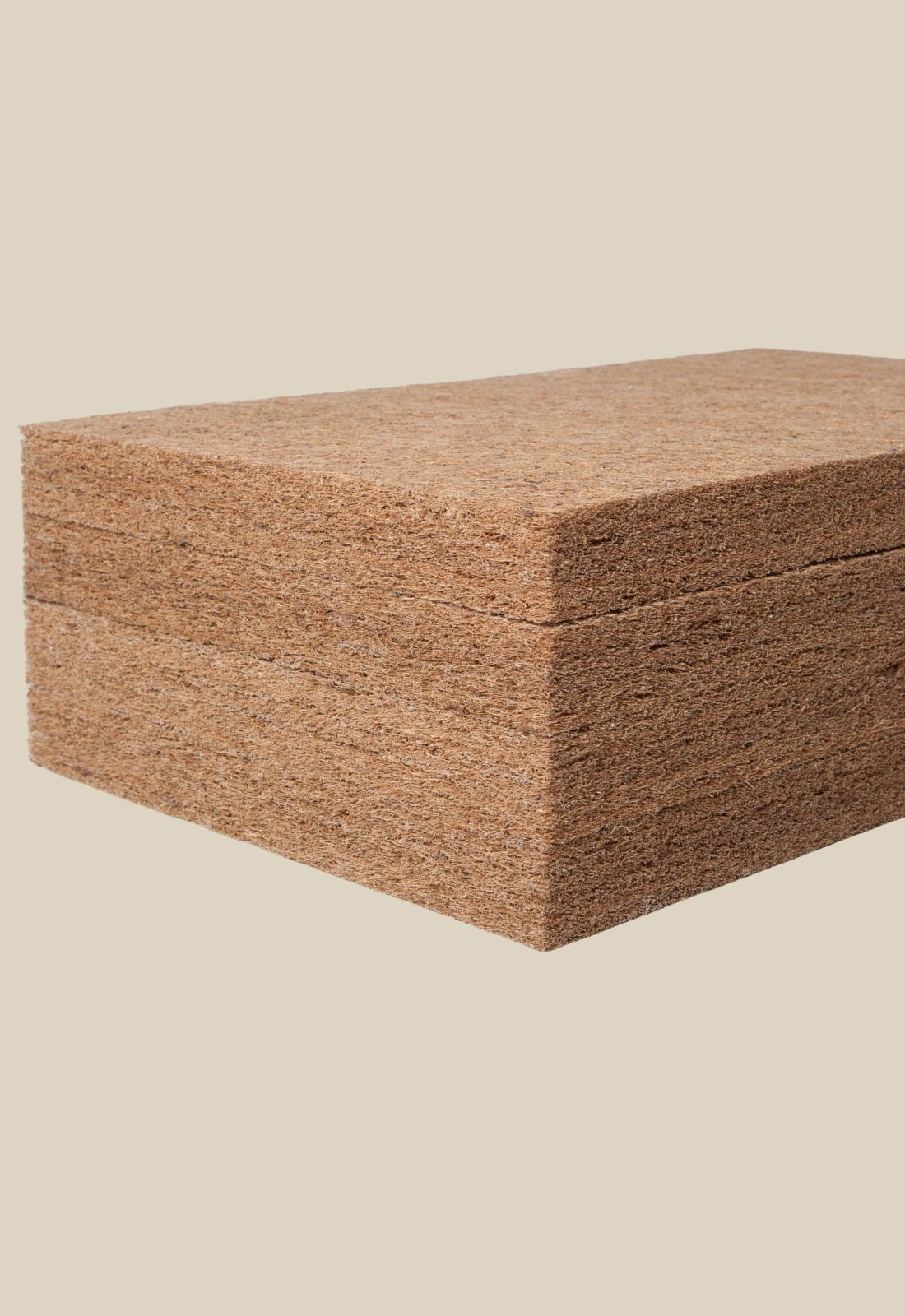
Long-lasting, versatile and natural
Our rubberized coir sheets are produced from natural coconut fiber which is combined with natural latex to a durable and flexible product. This raw material is commonly used for mattresses, upholstery and insulation, as it is an alternative to synthetic materials.
Usage of rubberized coir sheets:
Discover our wide range of organic coconut fibre products


With the purchase of our high-quality coconut raw materials, you purchase a natural product intended for durable use.
1. What is rubberised coir and how is it made?
Rubberised coir is produced by combining natural coir fibres with liquid natural latex. The fibres are coated, dried, and vulcanised into elastic sheets that provide both firmness and breathability. The result is a durable, supportive material ideal for mattresses and upholstery.
Read more in our article:
What is Coconut Fiber and Why Rubberised Coir is a Valuable Material for Mattresses
2. What are the benefits of Rubberised coir in mattresses?
Rubberised coir ensures excellent air circulation, moisture regulation and long-lasting firmness. The material is ideal for people who prefer a slightly firmer feel in mattresses or a more supportive seating comfort in upholstered furniture. In addition, it retains its shape even with long-term use.
Explore more here:
From Coconut to Comfort – How Rubberised Coir Supports Breathable Mattresses
3. Is Rubberised coir and ?
Rubberised coir is based on natural raw materials such as coconut fibers and natural latex. Their use in rubberised coir depends on the specific composition and processing method; both materials have been used for decades in durable applications.
Thanks to its long-lasting material structure, rubberised coir can contribute to a resource-efficient product solution.
4. Where can Rubberised coir be used?
Rubberised coir is used in the production of natural mattresses, upholstery elements, seating furniture, baby mattresses, tiny house mattresses and camper interiors. Thanks to its shape stability and breathability, it is ideal for everyday use. Its combination of resilience and breathability makes it perfect for both residential and commercial applications.
5. How does Rubberised coir differ from pure coconut fiber?
Pure coconut fiber tends to be stiffer and less elastic. When bonded with natural latex, it gains flexibility, comfort, and shape stability. This makes rubberised coir softer to lie on while still providing firm, long-term support.
6. Is Rubberised coir safe for people with allergies?
Whether rubberised coir is suitable in individual cases depends on the specific allergy profile. In the case of existing material allergies – particularly to natural latex – medical advice should be sought before use.
Rubberised coir consists of natural coconut fibres bonded with natural latex. Due to its open, well-ventilated structure, the material is perceived as comfortable by many users.
7. How do I care for products made with Rubberised coir cores?
Rubberised coir cores are easy to maintain and highly durable, while shape stability during long-term use depends on the conditions of use.


